
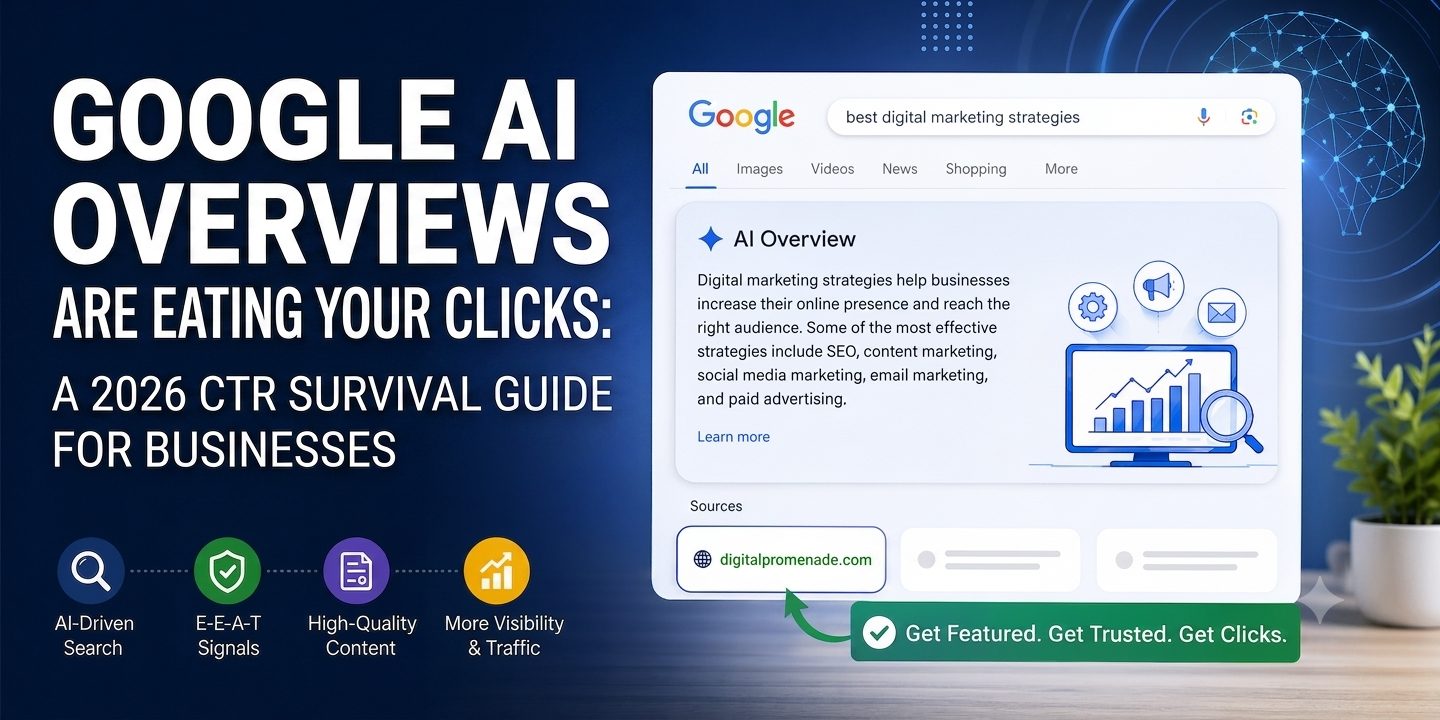
Digital Promenade Objective Google AI Overviews have fundamentally changed what it means to rank on...
Do Google Reviews Help SEO? Everything You Need to Know in 2026
Digital Promenade

Objective
This blog answers definitively whether Google reviews help SEO and explains exactly how. It covers the connection between reviews and local rankings, organic visibility, AI search, and conversion, along with a practical strategy for getting more reviews and using them effectively.
Key Takeaways
- Google reviews directly influence local SEO rankings – review count, average rating, and recency are confirmed local ranking signals.
- Reviews don’t directly affect traditional organic rankings, but they influence click-through rates and trust signals that have indirect SEO impact.
- Responding to reviews – especially negative ones — is both a local ranking signal and a conversion factor.
- In 2026, reviews increasingly influence AI-generated answers. AI tools like ChatGPT and Perplexity factor in review data when describing businesses.
- Fake reviews are not worth the risk. Google’s fake review detection has improved significantly and penalties are real.
- Getting a consistent stream of genuine reviews is more valuable than a one-time push that then goes quiet.
If you run a local business and you haven’t thought carefully about Google reviews from an SEO perspective, you’re probably leaving rankings – and leads – on the table.
The short answer to the question is yes, Google reviews help SEO. But the longer answer is more interesting because the mechanism is different depending on which type of SEO you’re talking about: local search, organic search, or AI-powered discovery.
Each works slightly differently. And in 2026, with AI Overviews and AI search tools playing a bigger role in how people find businesses, reviews have become more important than they were two or three years ago.
Here’s what you actually need to know – and how pairing a strong review strategy with proper local SEO makes both work harder.
How Google Reviews Affect Local SEO
This is where the direct, confirmed impact lives.
Google’s local search algorithm uses three main factors to rank businesses in the local 3-pack and Google Maps results:
- Relevance – how well your business matches the search query
- Distance – how close you are to the searcher
- Prominence – how well-known and trusted your business is
Reviews directly feed into prominence. Google has confirmed in its own documentation that review count and score factor into local rankings. A business with 200 reviews and a 4.7 rating will, all else being equal, outrank a business with 15 reviews and a 4.9 rating.
Review recency also matters. A steady stream of new reviews tells Google your business is active. A business that got 150 reviews in 2021 and nothing since is sending a weaker signal than one getting five to ten reviews per month consistently.
Review Velocity Matters
“Review velocity” is the rate at which new reviews come in. Google interprets consistent, ongoing reviews as a sign that a business is actively serving customers. A sudden spike of 50 reviews followed by nothing is a red flag – and it’s also a pattern associated with fake review purchases.
Slow and steady genuinely wins here. This is one reason Google My Business optimization should be treated as an ongoing activity, not a one-time setup.
How Google Reviews Affect Organic SEO
Reviews don’t directly affect traditional organic rankings the way backlinks or page speed do. A Google review won’t change where your service pages rank in national search results.
But the indirect effects are real:
Review content creates keyword signals. When customers write reviews, they use natural language that reflects how real people describe your services. “Great emergency plumber, arrived within 20 minutes” is keyword-rich content you didn’t have to write. Google reads review text and it factors into how your business is understood.
Star ratings in rich snippets improve click-through rates. When your review stars appear in search results – either in organic snippets or in Google’s business knowledge panel – they increase the likelihood that someone clicks your result. Higher click-through rates send positive engagement signals back to Google.
Reviews on third-party platforms build broader authority. Google pulls review data from Trustpilot, Yelp, industry-specific platforms, and others. A business with strong reviews across multiple platforms appears more authoritative than one with reviews only on Google. This feeds directly into online reputation management strategy.
How Google Reviews Affect AI Search Visibility in 2026
This is the newer dimension and it matters more than most businesses realize.
When someone asks ChatGPT, Perplexity, or Google’s AI Overviews about a local business or a type of service provider, the AI draws on publicly available data about that business — including reviews. A business with strong, detailed reviews across multiple platforms is more likely to be mentioned positively in AI-generated responses.
Review content also contributes to how AI systems describe what a business does well. If fifty of your reviews mention “fast response” and “professional service,” that’s signal data an AI model incorporates into its understanding of your brand.
In practical terms: businesses with strong review profiles are better documented as trustworthy entities. AI systems, like Google’s ranking algorithm, favor entities that are well-documented and consistently described positively by real users.
What Makes a Review Valuable for SEO?
Not all reviews are equal. Here’s what maximizes their value:
Length and specificity. A review that says “Great service, highly recommend!” is less valuable than one that describes a specific experience: “Called at 7pm with a boiler issue, had someone out within the hour, problem diagnosed and fixed same evening.” The longer review contains more signal — service type, speed, reliability, outcome.
Keywords. Reviews that naturally mention your service type and location contribute to how Google categorizes your business. You can’t control this, but you can encourage customers to be specific when you ask.
Recency. Fresh reviews outweigh old ones for ranking purposes. Prioritize ongoing reviews over a one-time push.
Platform diversity. Reviews on Google carry the most direct local SEO weight, but reviews on Trustpilot, Yelp, Facebook, and industry-specific platforms contribute to overall brand authority and AI visibility.
The Impact of Responding to Reviews
Google has confirmed that responding to reviews is factored into local rankings. It signals that your business is actively managed and engaged with customers.
Beyond rankings, responses matter for conversion. When a potential customer is deciding between two businesses, seeing that one owner responds thoughtfully to both positive and negative reviews builds trust. The other business, with unanswered reviews, looks like nobody’s home.
How to Respond to Negative Reviews
Don’t be defensive. Don’t argue. Don’t dismiss the complaint. Even if the review is unfair.
A response that acknowledges the experience, expresses genuine regret, and offers to resolve it does several things: it shows other readers that you take complaints seriously, it sometimes leads the reviewer to update their rating, and it signals to Google that your business is actively managed.
Keep it short. Two to three sentences. An invitation to contact you directly. No excuses.
Fake Reviews: Why They're Not Worth It
Google’s ability to detect fake reviews has improved substantially. In recent years there have been documented instances of Google removing large volumes of fake reviews and applying local ranking penalties.
The risks include review removal, ranking suppression, a “suspicious activity” warning added to your business profile, and potential legal exposure under consumer protection laws in the UK and EU.
Beyond the penalties: fake reviews don’t actually build the business-customer relationship that genuine reviews represent. They’re borrowed credibility that can collapse overnight.
Get real reviews. It’s slower. It’s the only approach that holds.
A Practical Strategy for Getting More Google Reviews
The most common reason businesses have few reviews is simply that they don’t ask. Most satisfied customers won’t leave a review unless prompted – not because they don’t want to, but because they forget.
Make the ask simple. After a completed job, a purchase, or a positive interaction, send a follow-up message with a direct link to your Google review page. Remove all friction.
Ask at the right moment. The best time to ask is immediately after a positive outcome – when the customer has just expressed satisfaction. Not three weeks later in a bulk email campaign.
Train your team. If you have staff who interact with customers, they should know how to mention reviews naturally. Not pushy – just: “We’d really appreciate it if you had a moment to leave us a Google review.”
Respond to every review you get. People notice when businesses respond. It increases the likelihood that future customers leave reviews when they see their feedback will be acknowledged.
Don’t incentivize reviews. Offering discounts, gifts, or any compensation for a review violates Google’s policies and can get reviews removed. Ask genuinely, not transactionally.
Connecting Reviews to Your Broader Local SEO Strategy
Reviews work best as part of a complete local presence – not in isolation.
A fully optimized Google My Business profile paired with a strong review volume makes your business significantly more competitive in the local 3-pack. Google My Business Ads can amplify that visibility further for high-intent local searches. And local SEO work on your website location pages, local schema, consistent NAP citations – reinforces the signals that reviews build.
None of these elements works as well alone as they do together.
Conclusion: Reviews Are One of the Most Accessible SEO Levers You Have
Most SEO work requires technical knowledge, content investment, or external relationships. Review management requires none of those things. It requires a consistent habit: serving customers well and asking them to document it.
For local businesses especially, a strong review profile is one of the highest-ROI activities available. It improves local rankings, influences AI search descriptions, builds conversion trust, and costs nothing except the effort of asking.
If you’re not actively managing your review profile in 2026, you’re giving that advantage to competitors who are. Talk to Digital Promenade about building a complete local SEO and reputation strategy that makes reviews work for your rankings.
FAQs About Google Reviews and SEO
They directly affect local SEO rankings - review count, rating, and recency are confirmed signals in Google's local ranking algorithm. They influence organic rankings indirectly through click-through rates and brand authority signals.
There's no magic number, but volume matters relative to competitors in your area. Focus on consistent growth rather than hitting a specific target. Our local SEO services include review strategy as part of a complete local optimization approach.
Yes. Review text containing natural language descriptions of your services and location contributes to how Google categorizes your business. Encouraging customers to be specific when leaving reviews helps.
A few negative reviews in a mostly positive profile don't significantly hurt rankings. How you respond matters - thoughtful responses to negative reviews signal active management. A sustained pattern of poor ratings does affect local ranking.
Yes. Google factors review responses into local rankings, and responding builds trust with prospective customers who read your reviews before deciding.
Yes. Google removes fake reviews and can apply ranking penalties. The reputational damage if fake reviews are exposed is also real. The risk is not worth it.
Increasingly yes. AI tools factor in publicly available review data when describing businesses. A strong review profile across platforms improves how AI systems characterize your brand.
No. Google reviews have the most direct local SEO impact, but reviews on Trustpilot, Yelp, industry platforms, and Facebook contribute to overall brand authority. Managing these as part of online reputation management gives you the broadest coverage.
Ask directly after a positive interaction, provide a simple link to your review page, and make the process easy. Never offer incentives - that violates Google's policies and can lead to review removal. -e
Know Your Digital Goals

Digital Promenade Objective AI agents in SEO are not a future concept – they are...
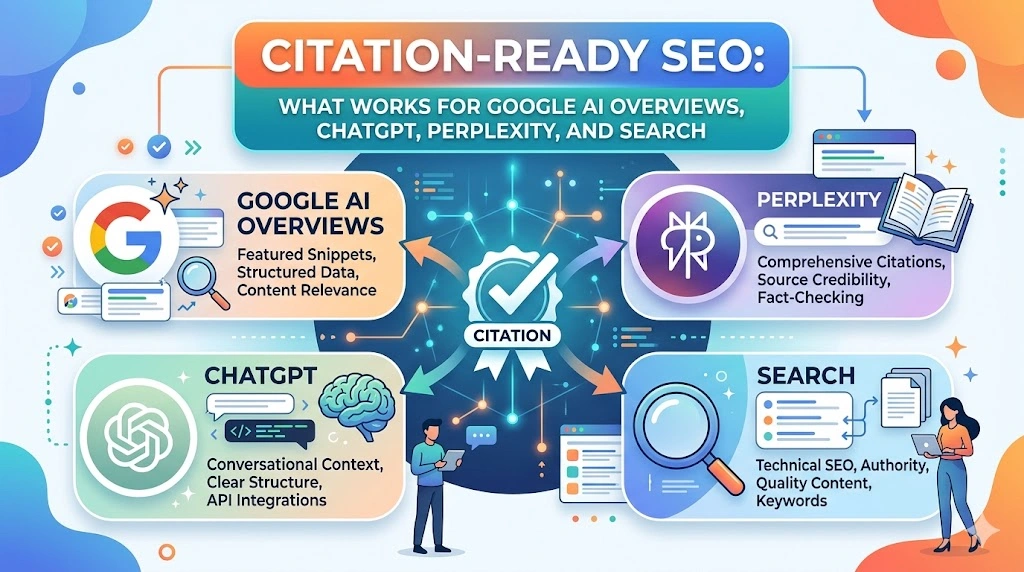
Digital Promenade Objective To get cited in ChatGPT, Perplexity, and Google AI Overviews, build consistent...
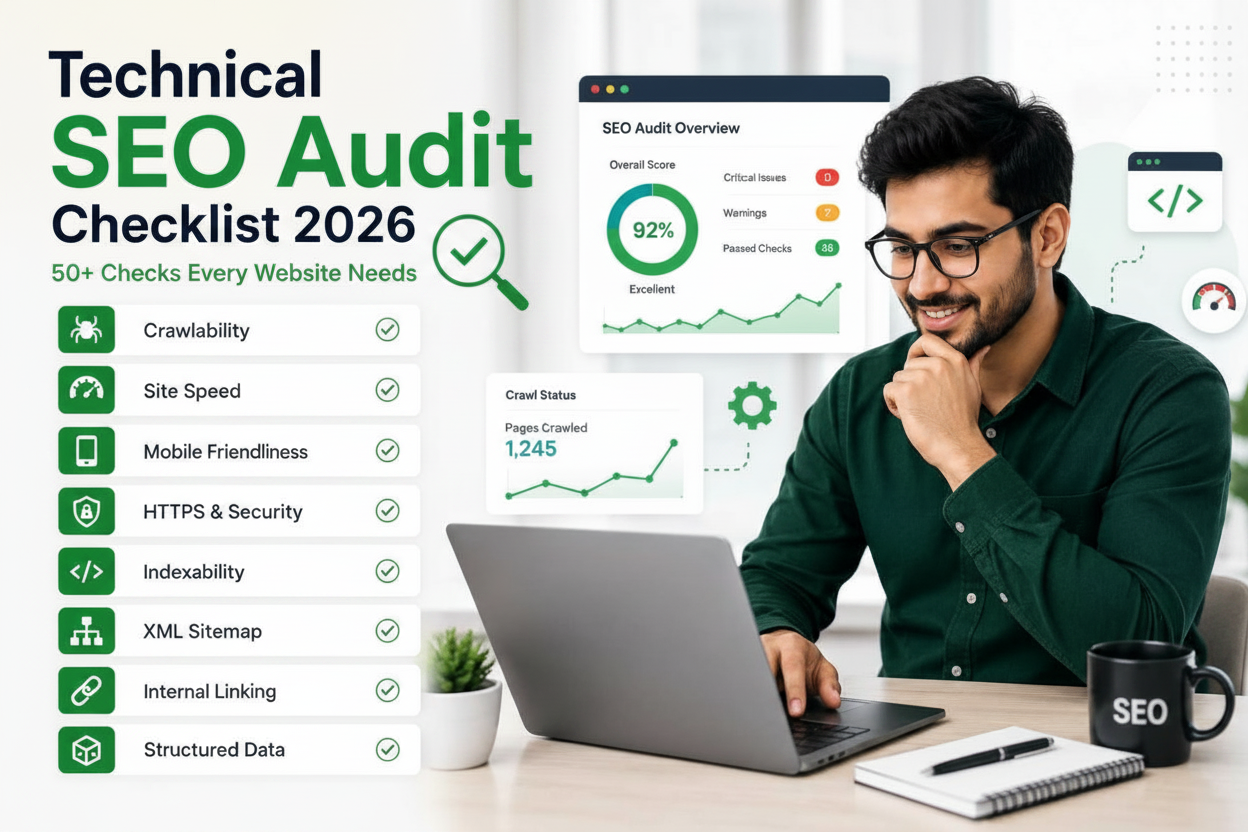
Digital Promenade Objective A technical SEO audit checklist covers crawlability and indexing, site speed and...
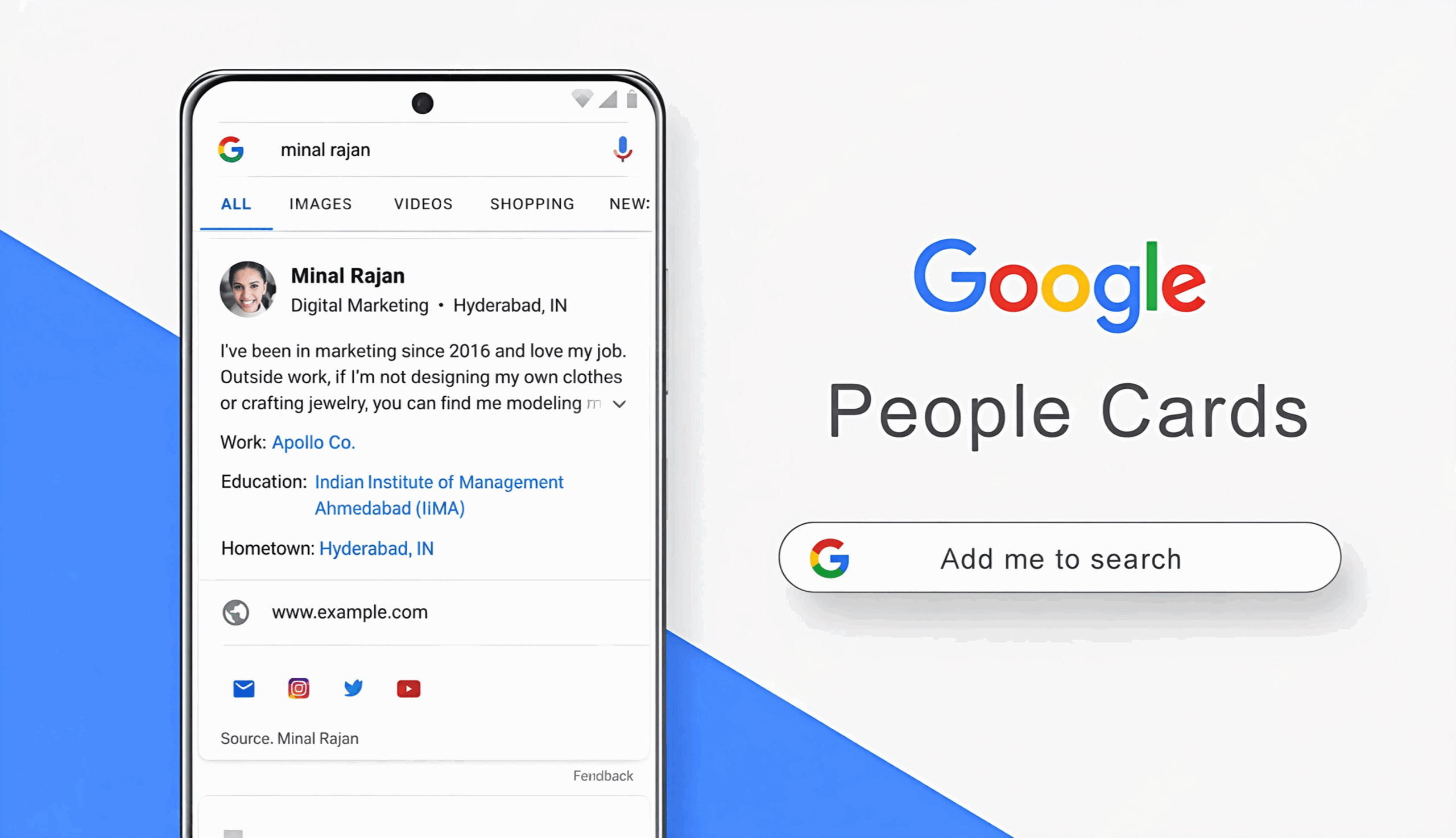
Digital Promenade Objective This blog is a practical, step-by-step guide to Google People Card in...

Digital Promenade Objective This blog helps businesses in Noida and Delhi NCR understand what separates...

Digital Promenade Objective This blog explains why SEO is important for B2B companies specifically –...

Digital Promenade Objective This blog explains how SEO and social media can work as complementary...

Digital Promenade Objective This blog answers definitively whether Google reviews help SEO and explains exactly...

Digital Promenade Objective This blog gives honest, experience-backed answers to one of the most common...